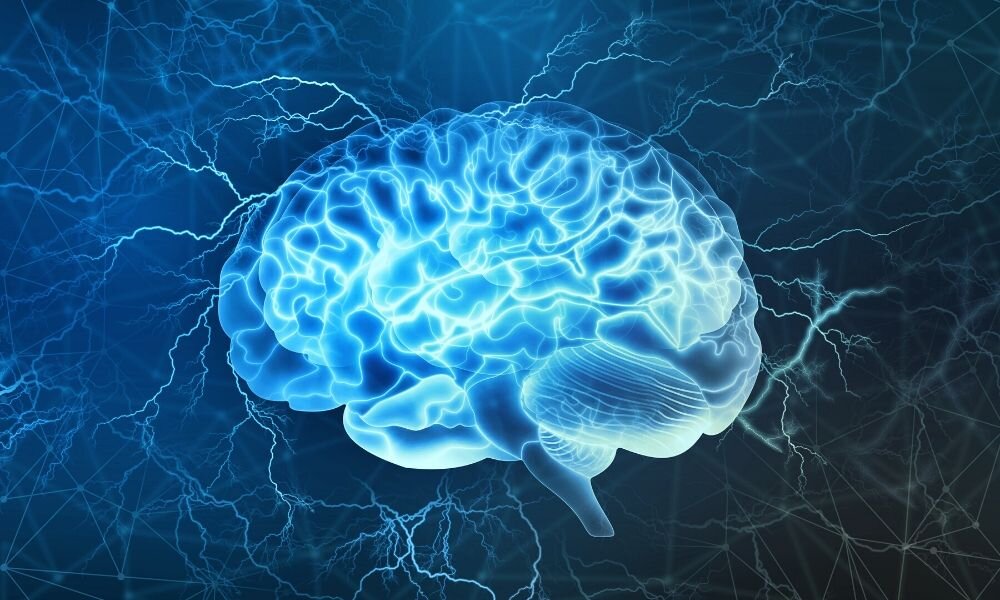
Memory is one of the most remarkable functions of the human brain, allowing us to store experiences, learn new skills, and recall vital information. It shapes our identity, influences decision-making, and enables us to navigate the world effectively. Despite its everyday importance, the mechanisms behind memory formation, retention, and retrieval remain complex and fascinating. Modern neuroscience has uncovered intricate processes involving neurons, synapses, and chemical signals, revealing how memories are encoded, consolidated, and sometimes forgotten. Understanding human memory provides insights into learning, cognition, mental health, and even artificial intelligence, highlighting the extraordinary capabilities of the brain.
How Memories Are Formed: Encoding and Storage
The process of memory begins with encoding, where sensory input is transformed into a format that can be stored in the brain. Sensory memory captures fleeting impressions, such as a sound or image, for milliseconds to seconds. If attention is focused, this information moves to short-term memory, which holds a limited amount of information for a few seconds to minutes. Through rehearsal and meaningful association, information is consolidated into long-term memory, which can last from days to a lifetime. The hippocampus plays a crucial role in forming new memories, while other regions like the amygdala and prefrontal cortex contribute to emotional and contextual aspects of memory.
The Role of Neurons and Synapses
Memories are fundamentally linked to the brain’s neural network. Neurons communicate through electrical impulses and chemical signals, forming complex connections called synapses. Learning and memory involve changes in synaptic strength, a process known as synaptic plasticity. Long-term potentiation (LTP) enhances the efficiency of synaptic transmission, strengthening the pathways that encode a memory. Repeated activation of these circuits reinforces connections, making it easier to recall information over time. This biological basis highlights that memory is not just a static repository but a dynamic process shaped by neural activity and experience.
Different Types of Memory
Human memory is not a single entity but consists of multiple types, each serving distinct purposes. Declarative memory, also called explicit memory, involves facts and events and can be consciously recalled. It includes episodic memory, which stores personal experiences, and semantic memory, which holds general knowledge. Procedural memory, or implicit memory, governs skills and habits, such as riding a bicycle or playing an instrument, without conscious effort. Working memory is a temporary system that manipulates information for problem-solving and decision-making. Understanding these distinctions helps scientists and educators develop strategies for effective learning and cognitive enhancement.
Factors Affecting Memory Retention
Memory retention is influenced by a variety of factors, including attention, emotion, repetition, and context. Emotional experiences are often remembered more vividly due to the amygdala’s involvement, which strengthens memory encoding. Sleep is critical for consolidating memories, allowing the hippocampus and cortex to transfer and stabilize information. Stress, fatigue, and certain medical conditions can impair memory formation and recall. Additionally, the method of learning—whether through visual, auditory, or kinesthetic means—affects how effectively information is retained. Exploring these factors allows individuals to optimize learning, enhance productivity, and maintain cognitive health.
Forgetting: Why Memories Fade
Forgetting is a natural aspect of memory and serves important functions, such as preventing information overload and allowing focus on relevant experiences. Theories of forgetting include decay theory, which suggests that memory traces fade over time, and interference theory, where new information disrupts the recall of old memories. Retrieval failure occurs when memories are stored but cannot be accessed, often temporarily. Interestingly, forgetting can sometimes aid creativity by reducing fixation on past knowledge and enabling flexible thinking. Studying the mechanisms of forgetting helps scientists understand memory disorders and develop strategies to preserve cognitive function.
Famous Experiments and Discoveries in Memory Research
Throughout history, psychologists and neuroscientists have conducted groundbreaking experiments to understand memory. Hermann Ebbinghaus pioneered the study of memory and forgetting using nonsense syllables, leading to the discovery of the forgetting curve. Elizabeth Loftus demonstrated how memory can be influenced and distorted, shedding light on false memories and eyewitness testimony. More recent research using functional MRI (fMRI) and electrophysiology has revealed the specific brain regions activated during memory tasks, providing insights into the neural basis of encoding, consolidation, and retrieval. These studies collectively deepen our understanding of how memories shape behavior and cognition.
Practical Applications of Memory Science
Understanding memory has practical applications across education, technology, and healthcare. Techniques such as spaced repetition, visualization, and mnemonic devices enhance learning and retention. In clinical settings, memory research informs treatments for Alzheimer’s disease, dementia, and other cognitive disorders. Cognitive training programs aim to strengthen working memory and executive function, improving everyday performance. Additionally, insights from human memory are applied in artificial intelligence and machine learning, helping create systems that mimic human learning and adaptive behavior. These applications demonstrate the broad impact of memory science on modern life.
Conclusion: Appreciating the Complexity of Human Memory
Human memory is a dynamic, multifaceted process that underpins learning, identity, and survival. From the intricate interactions of neurons and synapses to the emotional and contextual factors that shape retention, memory illustrates the brain’s incredible adaptability and intelligence. By studying how memories are formed, maintained, and lost, scientists uncover strategies to enhance cognition, treat neurological conditions, and apply biological principles to technology. The science of memory continues to reveal the mysteries of the mind, reminding us of the extraordinary capabilities of the human brain and its central role in shaping our experience of life.