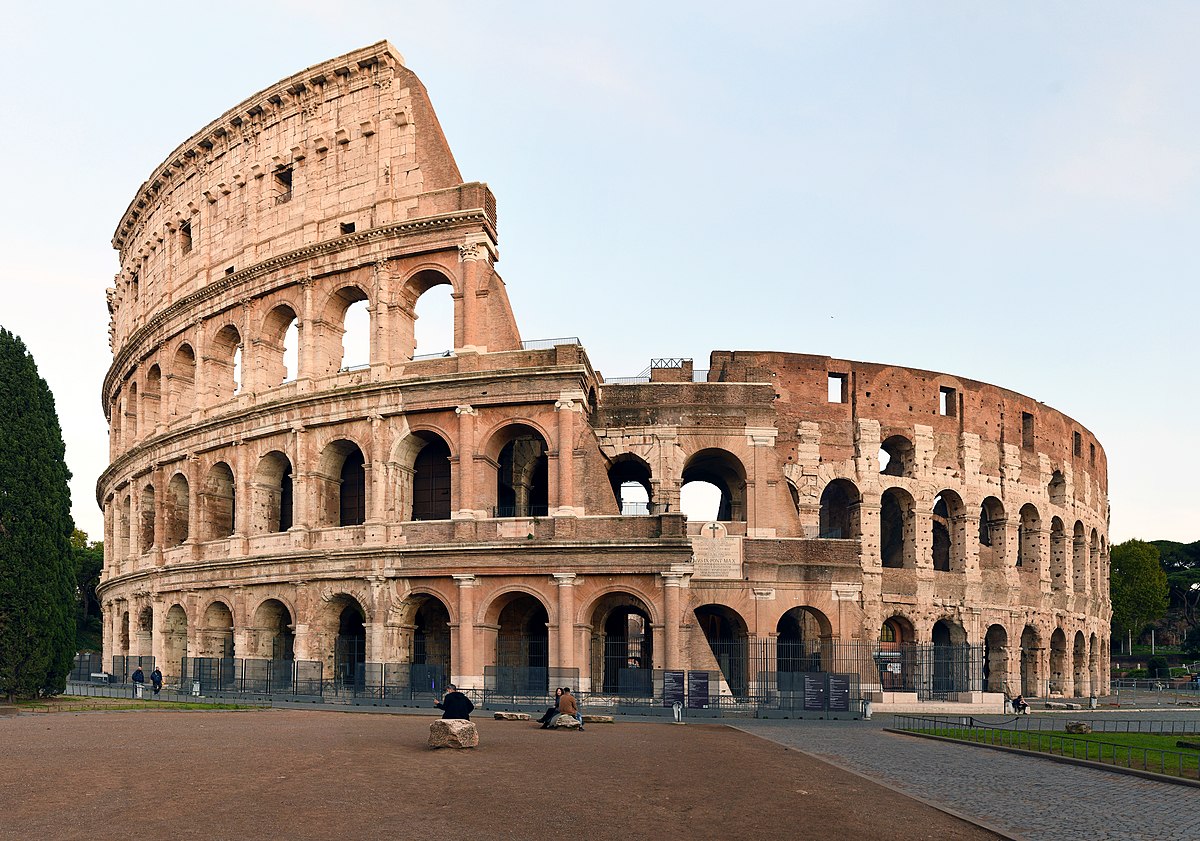
The Colosseum, also known as the Flavian Amphitheatre, stands as one of the most remarkable symbols of ancient Rome. Built nearly 2,000 years ago, it was the largest amphitheater of its time and remains a testament to Roman engineering, culture, and spectacle. With a capacity to hold over 50,000 spectators, it hosted gladiatorial combats, public spectacles, and elaborate performances that captivated the populace. This post delves into the history, construction, and cultural significance of the Colosseum, uncovering why it continues to fascinate the world.
Construction and Architectural Marvel
Construction of the Colosseum began under Emperor Vespasian in AD 70 and was completed by his son Titus in AD 80, with further modifications by Emperor Domitian. It showcases Roman ingenuity, combining concrete, stone, and a complex system of vaults and arches. The elliptical structure measures 189 meters long, 156 meters wide, and 50 meters high, with multiple levels of seating arranged by social hierarchy. Ingenious design features included retractable awnings, drainage systems, and underground chambers for animals and performers.
Engineering Feats and Innovations
The Colosseum incorporated groundbreaking engineering solutions. Its hypogeum, a two-level underground network of tunnels, cages, and elevators, allowed gladiators, wild animals, and stage props to be raised into the arena. Sophisticated mechanisms enabled elaborate scenery changes, surprise entrances, and dramatic spectacles. The amphitheater’s arches and vaults distributed weight evenly, ensuring structural stability despite the enormous size and frequent use over centuries.
Gladiatorial Games: Entertainment and Politics
Gladiatorial contests were the primary attraction in the Colosseum. Trained fighters, often slaves or prisoners of war, battled in brutal combat, sometimes to the death. These events entertained the public while serving political purposes, allowing emperors to display power, generosity, and influence. Gladiatorial games were accompanied by music, announcements, and ceremonial rituals, transforming the arena into a stage for both spectacle and social control.
Exotic Beasts and Public Spectacles
Beyond human combat, the Colosseum hosted venationes—battles involving exotic animals such as lions, elephants, and crocodiles. These spectacles demonstrated Rome’s reach and dominance over distant lands while thrilling spectators with dangerous encounters. Occasionally, naval reenactments were staged by flooding the arena, showcasing Rome’s engineering adaptability and the lengths to which organizers went to awe audiences.
Social and Cultural Significance
The Colosseum reflected Roman society’s structure, with seating arranged according to class, gender, and political status. Senators and elites occupied the best seats, while women and lower-class citizens sat further away. It served as a venue for communal entertainment, civic pride, and imperial propaganda, embodying both the grandeur and harsh realities of Roman life. The amphitheater became a symbol of Rome’s cultural, military, and architectural prowess.
Decline and Preservation
After the fall of the Roman Empire, the Colosseum suffered damage from earthquakes, stone robbers, and neglect. Portions were repurposed for housing, workshops, and churches. Despite centuries of decay, significant preservation efforts began in the 18th century, followed by modern restorations. Today, the Colosseum is a UNESCO World Heritage Site, attracting millions of visitors annually and standing as a testament to the enduring legacy of Roman engineering.
Modern Cultural Impact
The Colosseum continues to inspire artists, filmmakers, historians, and architects worldwide. Its iconic silhouette is a symbol of Rome and ancient civilization. Cultural references appear in films, literature, and even video games, reflecting the arena’s place in global imagination. Modern events, such as concerts and commemorations, occasionally utilize its iconic presence, bridging ancient history with contemporary culture.
Lessons from the Colosseum
The Colosseum teaches lessons about engineering, social organization, and the power of spectacle in shaping culture. It demonstrates how architecture can influence social behavior, convey political messages, and endure through centuries. The amphitheater also serves as a reminder of the complexities of human entertainment and the historical costs of spectacle, including lives lost in gladiatorial combat and animal hunts.
Conclusion: An Enduring Symbol of Wonder
The Colosseum remains one of the most extraordinary human creations, blending engineering brilliance with social and cultural significance. From its massive arches and hypogeum to the gladiatorial games and exotic spectacles, it encapsulates the grandeur and ingenuity of ancient Rome. Standing amid its ruins, visitors experience awe and reflection, witnessing a wonder that has withstood time and continues to inspire the world.