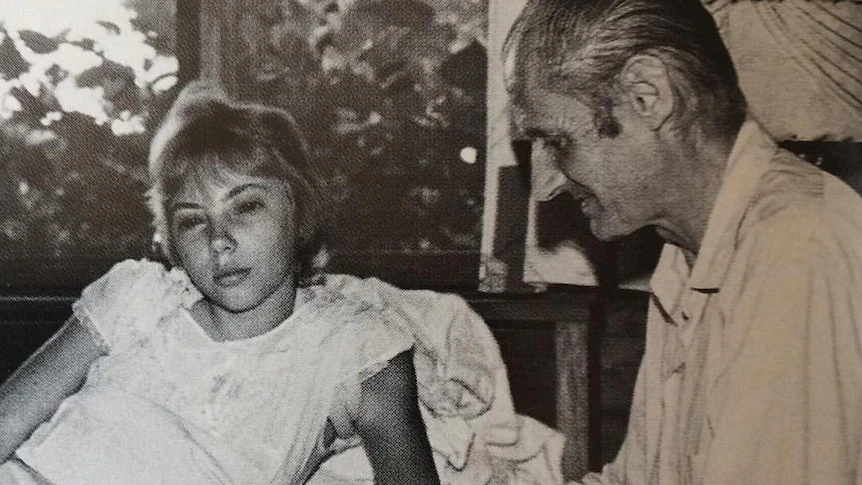
On December 24, 1971, a routine flight over the Peruvian Amazon became one of the most harrowing experiences in aviation history. A 17-year-old girl named Juliane Koepcke survived a fall from the sky and spent 11 days alone in the dense rainforest fighting for her life. Her story is a remarkable testament to courage, resilience, and the human will to survive. Juliane endured unimaginable pain, hunger, and fear, yet refused to surrender, becoming a symbol of human endurance against impossible odds.
A Flight Turned Horror
It was Christmas Eve when LANSA Flight 508 took off from Lima heading to Pucallpa. Juliane was seated by the window beside her mother. The cabin was calm, with passengers chatting quietly and flight attendants making their final preparations for the journey. As the plane approached the Amazon basin, a violent storm suddenly erupted. Dark clouds swirled overhead, lightning flashed across the sky, and thunder shook the aircraft. Rain hammered against the windows with incredible force.
The storm hit with unexpected intensity. Lightning struck the plane, causing it to shudder violently. The cabin erupted into chaos. Overhead compartments burst open, and luggage tumbled across the aisles. Screams filled the air as passengers clung to their seats, some praying, others crying. Flight attendants tried to calm the situation, but the violence of the storm made it impossible. In those terrifying moments, Juliane felt herself lifted from her seat as the plane broke apart mid-air. She plummeted thousands of feet, still strapped to her row of seats, witnessing the destruction around her. Time seemed to slow, and every second felt like an eternity as she fell toward the dark jungle below.
Against All Odds: The Fall and The Landing
The thick canopy of the Amazon rainforest below slowed Juliane’s fall, acting as a natural cushion. Her seat helped absorb some of the impact, preventing instant death. When she landed, she was dazed, bruised, and in excruciating pain. Her collarbone was broken, her knees and legs battered, and deep lacerations covered her arms and torso. Her eyes were swollen from impact, and her head throbbed with a concussion. Despite her injuries, she managed to sit up and take stock of her surroundings. The wreckage of the plane was scattered across the forest floor, mangled metal and broken luggage tangled with branches and vines. Every step she took was agonizing, yet her survival instinct pushed her forward.
Alone in the Jungle: Struggle for Survival
Juliane was completely alone. Her mother and all other passengers had perished. The jungle was a hostile and unforgiving place. Predators lurked in the shadows, venomous snakes slithered through undergrowth, and swarms of insects attacked relentlessly. Poisonous plants grew abundantly, and rivers and swamps threatened to trap or drown her. She had no proper food, no shoes, torn clothing, and wounds at risk of infection. Her only source of nutrition was a small bag of sweets that had survived the crash.
Drawing on survival knowledge taught by her parents, both biologists familiar with rainforest life, Juliane knew to follow water. Streams often led to villages or safer terrain. She navigated mud, vines, leeches, and dense undergrowth, drinking only rainwater or stream water. She avoided unknown fruits and plants that could be poisonous. Hunger gnawed at her constantly, exhaustion slowed her pace, and the wounds on her legs and arms worsened with each step. Mental resilience became as important as physical endurance as she fought despair and fear.
Each day presented new challenges. She encountered vultures circling above, a grim reminder of death, and came across the remains of other crash victims. Her legs were bruised and swollen, cuts became infected, and maggots began to infest her wounds. Despite this, she refused to give up. She carefully rationed her small supply of sweets and used her wits to navigate treacherous terrain. Fallen logs, hidden rivers, quicksand patches, and poisonous plants tested her constantly. Rainstorms drenched her, making the journey even more perilous, yet she pressed onward.
Turning Point Hope in a Hut
On the tenth day of her ordeal, Juliane spotted a small hut by the riverbank. It was a sign of hope she had not dared to imagine. Inside, she found a petrol can, which she used to disinfect an infected wound. She painstakingly removed dozens of maggots by hand, enduring intense pain to prevent the infection from worsening. That night, she rested in the hut, regaining strength and gathering her courage for the final steps toward rescue. She was weak, hungry, and terrified, but the possibility of salvation kept her moving forward.
Rescue and Return to Civilization
The following morning, local lumberjacks discovered her. Shocked by her appearance — pale, thin, barefoot, and covered in grime — they initially believed she was a mythical creature of the forest. When she spoke, they realized she was human. They fed her, cleaned her wounds, and carried her by canoe along the river for hours until she reached a village. From there, she was transported to a hospital, finally emerging from the jungle after 11 harrowing days. Juliane was the only survivor among 92 passengers aboard LANSA Flight 508.
Life After the Jungle: A Quiet Strength
After recovering from her injuries, Juliane rebuilt her life. She moved to Germany, pursued studies in biology, and later completed a doctorate in mammalogy, focusing on rainforest bats and wildlife — a tribute to her parents. She lived a quiet life dedicated to research, yet she shared her story through interviews and her memoir, When I Fell From the Sky. Her account has become a source of inspiration, showing the extraordinary capabilities of human endurance and the importance of knowledge, courage, and mental resilience. She became a symbol of hope, demonstrating that determination and intelligence can overcome even the most impossible circumstances.
Why the World Still Talks About Her
Juliane’s survival is legendary. She fell from more than 10,000 feet, survived a deadly jungle, and endured 11 days with minimal resources. She faced predators, venomous insects, hunger, dehydration, infection, and extreme isolation. Her ability to remain calm, make smart decisions, and keep moving despite excruciating pain allowed her to survive what would have killed most. Her story is a testament to human resilience, courage, and the indomitable will to live. Today, her incredible journey continues to inspire people worldwide as one of the greatest true survival stories ever recorded. Generations continue to recount her story as a reminder of how knowledge, determination, and hope can make the impossible possible.