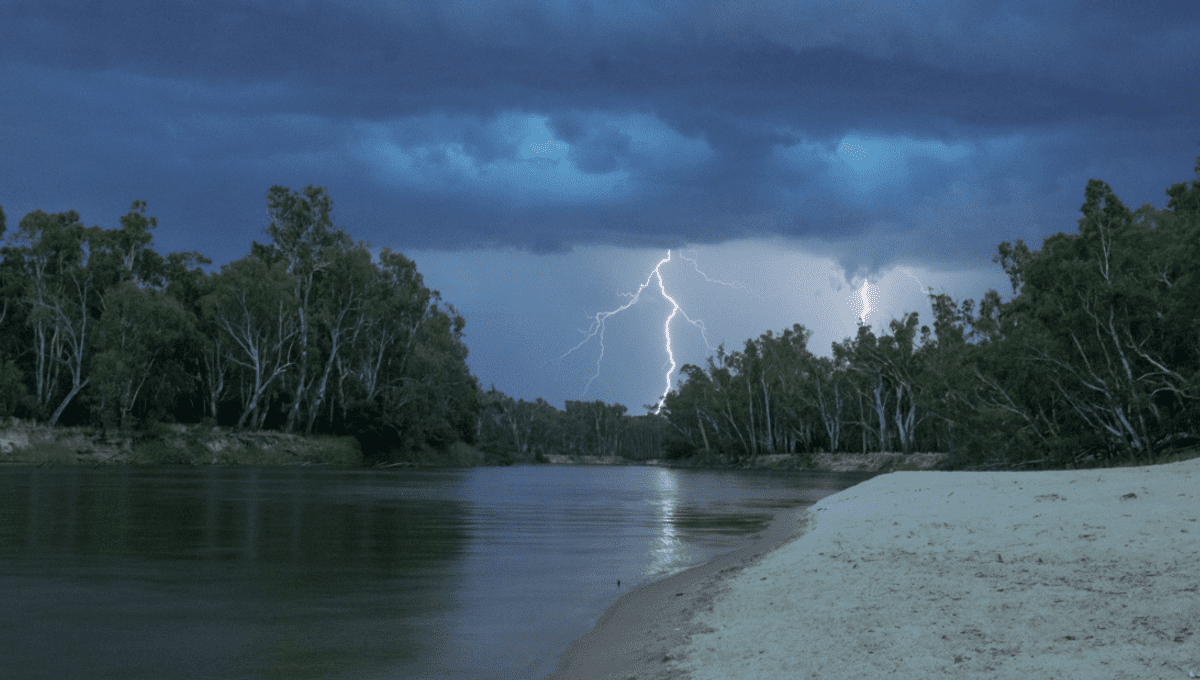
Rivers are symbols of movement, carrying water from mountains to oceans, but some rivers behave in ways that defy logic. At certain times or in unique locations, rivers can appear to flow backwards, creating surreal scenes that amaze locals and travelers alike. These unusual water phenomena are caused by tides, seasonal floods, or geological formations, and they remind us that nature often has surprises waiting to be discovered. In this post, we explore some of the most remarkable rivers that reverse their flow and the science behind these incredible occurrences.
The Amazon River: A Tidal Reversal
One of the most famous examples of a river flowing backwards is the Amazon during the phenomenon known as the “pororoca.” During high tide, the Atlantic Ocean pushes water upstream, creating a temporary reversal in the river’s flow. The resulting tidal wave can travel miles inland, producing waves that attract surfers from around the world. This event demonstrates the incredible power of tidal forces on even the largest river systems.
The Severn River: England’s Boisterous Tides
In the United Kingdom, the Severn River experiences a tidal bore, where the incoming tide from the Bristol Channel pushes the river upstream. The bore can reach heights of several feet, creating fast-moving waves against the river’s natural direction. This reversal happens a few times a year and is celebrated by local communities as both a natural spectacle and a sporting challenge for kayakers and surfers.
The Qiantang River: China’s Legendary Tidal Wave
China’s Qiantang River is famous for having the largest tidal bore in the world. Known as the “Silver Dragon,” the tidal wave can reach over 20 feet high and travel at speeds of up to 25 miles per hour. This annual phenomenon occurs during specific months and draws thousands of spectators who line the riverbanks to witness the astonishing display of nature’s force. Ancient folklore and modern engineering both pay homage to this spectacular event.
The Amazon Tributaries: Seasonal Flood Reversals
Beyond the main Amazon, several smaller tributaries also experience temporary reversals due to seasonal flooding. When heavy rains swell the rivers, water can flow backward from larger channels into smaller streams. These seasonal changes transform the landscape, affecting wildlife, navigation, and local communities. The reversals are essential for nutrient distribution and maintaining the region’s rich biodiversity.
The Bananas River: Coastal Influences
Certain rivers near coastlines can experience backflow caused by wind and sea-level changes. In these cases, strong offshore winds push water upstream, creating temporary reversals. While less dramatic than tidal bores, these phenomena still amaze observers and highlight the delicate balance between rivers, oceans, and weather systems.
The Nile River: Ancient Observations of Reversals
Even the mighty Nile exhibits occasional backflow in certain branches during the annual inundation. Ancient Egyptians documented these events, integrating them into agricultural calendars and religious practices. Understanding the Nile’s unusual behavior was crucial for planning irrigation and ensuring the survival of civilizations dependent on its waters.
The Amazon Delta: Surfing Against Nature
During extreme tidal surges, parts of the Amazon Delta allow daring surfers to ride the waves created by upstream-moving water. This intersection of natural forces creates one of the most unusual recreational phenomena on Earth, where humans interact directly with rivers flowing against their usual course.
The Mississippi River: Local Backflows
In smaller tributaries and during storm surges, even the Mississippi River can exhibit temporary backflow. These events, though limited in scale, can cause flooding in adjacent areas, demonstrating the practical impact of rivers that refuse to follow their natural paths. Engineers and hydrologists study these occurrences to better manage waterways and prevent disasters.
Scientific Explanation: Why Rivers Flow Backwards
Rivers typically flow downhill due to gravity, but several factors can reverse their motion. Tidal forces from oceans, seasonal flooding, wind-driven surges, and unique topography can all create conditions where water moves upstream. Understanding these phenomena requires knowledge of hydrodynamics, meteorology, and geology, showing how interconnected Earth’s systems truly are.
Conclusion: Witnessing Nature’s Surprising Forces
Rivers that flow backwards are among the most fascinating examples of nature defying expectations. Whether caused by tides, seasonal floods, or coastal influences, these phenomena remind us that the natural world is full of surprises. Observing them inspires awe, curiosity, and respect for the delicate forces that shape our planet. From the Amazon to the Qiantang, these rivers invite explorers and scientists alike to witness nature at its most unpredictable.