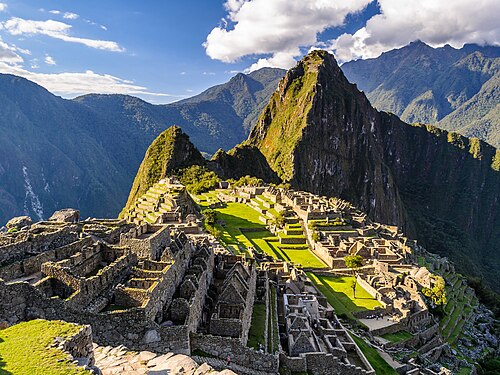
Machu Picchu, perched high in the Andes Mountains of Peru, is one of the most iconic human wonders of the ancient world. Often called the “Lost City of the Incas,” it was built in the 15th century and remained hidden from the outside world until its rediscovery in 1911 by Hiram Bingham. The city’s breathtaking location, sophisticated architecture, and mysterious history have captivated scholars, adventurers, and travelers alike. This post explores the construction, cultural significance, and enduring legacy of Machu Picchu.
Origins and Inca Civilization
Machu Picchu was constructed during the reign of the Inca emperor Pachacuti, around 1450. The Inca civilization, which thrived in the Andean region of South America, was known for its advanced engineering, agriculture, and governance. Machu Picchu was likely built as a royal estate or religious retreat for Pachacuti, serving as a ceremonial, administrative, and residential center. The city reflects the Incas’ ability to adapt architecture to rugged mountainous terrain, using terraces, stonework, and natural features to create harmony between human structures and the environment.
Location and Geography
The city sits at approximately 2,430 meters above sea level, overlooking the Urubamba River valley. Its remote location provided natural protection and strategic advantage, making it difficult for invaders to access. The surrounding mountains, steep cliffs, and dense cloud forests created an almost magical setting, which contributed to the city remaining hidden for centuries. The geography also posed significant challenges for construction, yet the Incas ingeniously used the terrain to their advantage, integrating terraces, retaining walls, and drainage systems to stabilize the city.
Inca Engineering and Architecture
Machu Picchu is a marvel of Inca engineering. The city features precisely cut stones fitted together without mortar, known as ashlar masonry, which has withstood earthquakes for centuries. Terraces were built to prevent landslides, improve agriculture, and manage water flow. The city is divided into distinct sectors: agricultural terraces, residential areas, religious temples, and ceremonial plazas. The Temple of the Sun, Intihuatana stone, and Room of the Three Windows showcase the Incas’ advanced understanding of astronomy, engineering, and religious symbolism, reflecting a sophisticated integration of science and spirituality.
Agriculture and Sustainability
Agriculture played a vital role in Machu Picchu’s sustainability. Terraces allowed the Incas to cultivate crops like maize, potatoes, and quinoa on steep slopes while minimizing soil erosion. The city’s water management system included canals, fountains, and drainage networks to provide fresh water and prevent flooding. These innovations demonstrate the Incas’ ability to adapt to their environment, ensuring the city could sustain a population while thriving in a challenging mountainous region.
Mystery of Abandonment
Despite its grandeur, Machu Picchu was abandoned around the time of the Spanish conquest in the 16th century. Remarkably, it was never discovered by Spanish explorers, which preserved much of its structure. Scholars debate the reasons for its abandonment, with theories ranging from disease, political instability, or strategic relocation of the Inca elite. This mystery adds to the allure of Machu Picchu, making it a symbol of lost knowledge and cultural heritage that survived centuries of neglect and isolation.
Rediscovery and Archaeological Significance
Machu Picchu was brought to international attention in 1911 when Hiram Bingham, guided by local Quechua villagers, documented the site. Since then, extensive archaeological research has revealed the city’s layout, construction techniques, and cultural importance. Excavations have uncovered tools, pottery, and other artifacts that provide insights into Inca life. The rediscovery transformed Machu Picchu into a global icon of archaeology, offering a window into the ingenuity, religion, and society of the Inca Empire.
Cultural and Spiritual Legacy
Machu Picchu continues to hold spiritual and cultural significance for the descendants of the Incas and the world at large. It represents human resilience, architectural brilliance, and the deep connection between civilization and nature. Festivals, rituals, and pilgrimages maintain the cultural traditions associated with the site, emphasizing its importance beyond tourism. UNESCO designated Machu Picchu as a World Heritage Site in 1983, recognizing both its cultural and natural value, and cementing its place as one of the most celebrated human wonders on Earth.
Tourism and Preservation Challenges
Today, Machu Picchu attracts millions of visitors each year, drawn by its historical significance and breathtaking scenery. Preservation efforts focus on controlling foot traffic, preventing erosion, and maintaining the integrity of the stone structures. Balancing tourism and conservation remains a challenge, but international attention and Peruvian government regulations aim to ensure that Machu Picchu endures as both a heritage site and a testament to human achievement.
Conclusion: The Enduring Wonder of Machu Picchu
Machu Picchu remains an unparalleled example of human ingenuity, architectural skill, and cultural resilience. Hidden for centuries and now celebrated worldwide, it continues to inspire awe, curiosity, and respect for the civilization that built it. From its intricate terraces and temples to its breathtaking mountain vistas, Machu Picchu embodies the harmony between humans and nature and stands as a timeless symbol of the enduring spirit of the Inca people.