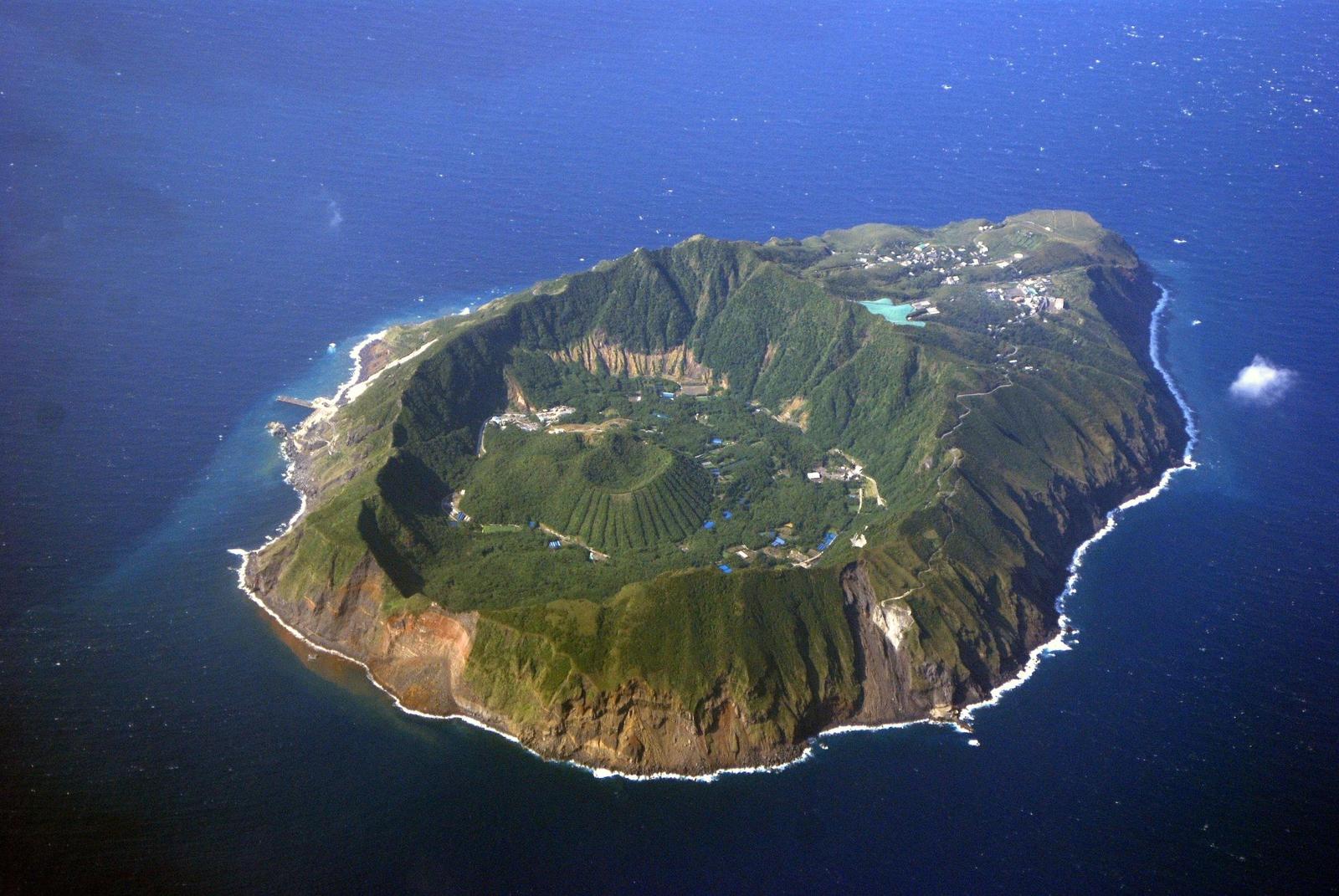
Volcanoes are among the most powerful and awe-inspiring forces on Earth. They can destroy cities in minutes, yet they are also creators, shaping the landscape in ways that last for millions of years. One of the most fascinating phenomena associated with volcanoes is their ability to create entirely new islands and landforms. From the Hawaiian Islands in the Pacific Ocean to Iceland in the North Atlantic, volcanic activity has built land from nothing, turning molten rock into thriving ecosystems. Today, we explore how volcanoes form islands, shape coastlines, and leave behind geological wonders that inspire scientists and travelers alike.
The Power of Molten Rock
At the heart of every volcano is magma, molten rock heated to extreme temperatures within the Earth’s mantle. When magma rises to the surface, it erupts as lava, ash, and gas. Lava cools and solidifies quickly when it meets air or water, forming rock. Over repeated eruptions, layers of lava accumulate, gradually building mountains, plateaus, and islands. This process can take decades, centuries, or even millions of years, depending on the intensity and frequency of eruptions. The sheer energy contained in magma allows volcanoes to reshape the Earth’s surface, creating land where there was once only water.
Submarine Volcanoes and Island Formation
Many islands are born underwater. Submarine volcanoes erupt on the ocean floor, releasing lava that hardens as it contacts the cold water. These eruptions may begin as small seamounts, barely visible above the ocean floor. With each eruption, the structure grows taller and wider until it breaks the surface, forming a new island. This process has created some of the youngest landmasses on Earth. For example, the Hawaiian Islands began as submarine volcanoes thousands of kilometers from any continent. Over millions of years, continuous eruptions raised the islands above sea level, creating fertile volcanic soil and diverse habitats.
Shield Volcanoes: Builders of Islands
Shield volcanoes are broad, gently sloping mountains formed by low-viscosity lava that spreads widely before cooling. They are the primary architects of volcanic islands. Because their lava flows travel far and accumulate in thin layers, shield volcanoes gradually build massive structures capable of rising above the ocean. The Hawaiian Islands are classic examples of shield volcanoes creating new land. The gentle slopes allow lava to flow evenly, expanding the island outward over time. These volcanoes often have long lifespans, producing successive eruptions that add layer upon layer to the growing landmass.
Stratovolcanoes and Dramatic Landforms
Not all volcanic islands are formed gently. Stratovolcanoes, or composite volcanoes, erupt explosively, sending ash, rocks, and lava high into the air. These eruptions create steep-sided mountains and dramatic landforms. While stratovolcanoes often form on continental edges or volcanic arcs, they can also build islands in oceanic regions. The combination of explosive eruptions and lava flows produces jagged landscapes, volcanic cliffs, and crater lakes. Stratovolcanoes demonstrate that volcanic land formation can be violent as well as constructive, leaving behind spectacular and sometimes dangerous terrains.
The Role of Volcanic Arcs
Volcanic islands are often part of larger geological structures called volcanic arcs. These arcs form along tectonic plate boundaries where one plate subducts beneath another. As the subducting plate melts, magma rises to the surface, creating a chain of volcanoes and islands. The Aleutian Islands in Alaska and the Japanese archipelago are prime examples of volcanic arcs producing multiple islands over millions of years. Volcanic arcs highlight the deep connection between Earth’s internal processes and surface landscapes, showing how the movement of tectonic plates can shape entire regions.
Erosion and Island Evolution
Once volcanic islands emerge, they continue to evolve through erosion, weathering, and sediment deposition. Wind, rain, and ocean waves slowly wear down volcanic rock, creating beaches, cliffs, and valleys. Rivers and streams carve channels into the island, shaping fertile plains and deep gorges. Erosion can also reveal the internal structure of volcanoes, exposing hardened lava tubes, craters, and vents. Over time, erosion transforms the original volcanic landscape into a diverse and habitable environment, ready to support plants, animals, and eventually human settlements.
New Land, New Life
Volcanic islands often start barren, but the minerals in volcanic rock create rich soil that supports rapid plant growth. Lichens, mosses, and hardy plants are the first colonizers, breaking down rock into soil and providing nutrients for other species. Birds, insects, and marine life follow, establishing ecosystems on the new land. This process, called primary succession, shows how volcanic activity not only creates physical landforms but also fosters biological diversity. Over centuries, volcanic islands can transform from lifeless rock to vibrant, thriving habitats filled with unique species found nowhere else on Earth.
Volcanoes as Agents of Change
The creation of islands and landforms is just one example of how volcanoes act as agents of change on Earth. They recycle crustal material, release gases that influence the climate, and even affect ocean currents and weather patterns. Volcanic eruptions can reshape coastlines, create new habitats, and inspire cultural myths and legends. By building land from molten rock, volcanoes demonstrate the dynamic and ever-changing nature of our planet. They remind us that Earth is alive, constantly forming, breaking, and rebuilding its surface through forces beyond human control.
Modern Observations and Discoveries
Scientists continue to study volcanic island formation using satellites, underwater exploration, and advanced modeling techniques. New islands occasionally appear off coastlines, providing real-time examples of geological processes in action. The island of Surtsey, which emerged off Iceland in the 1960s, allowed researchers to observe colonization by plants and animals on fresh volcanic land. Such studies deepen our understanding of Earth’s geological history, evolution, and the remarkable ways natural forces create and sustain life.
The Ever-Changing Ocean Landscape
Volcanoes show that the Earth is never static. Oceans, continents, and islands are continually reshaped by volcanic activity, tectonic movement, and erosion. The formation of new islands is a slow yet awe-inspiring process that transforms molten rock into land that hosts life, culture, and biodiversity. From the gentle slopes of shield volcanoes to the explosive peaks of stratovolcanoes, volcanic landforms demonstrate nature’s power to create, destroy, and renew. They are living reminders of the dynamic forces shaping our planet and the endless wonders hidden beneath the waves.