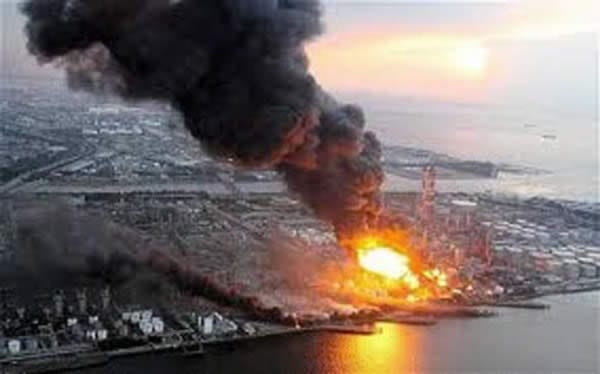
On March 11, 2011, Japan experienced one of the most devastating natural disasters of the 21st century when a 9.0 magnitude earthquake struck off the northeastern coast. The earthquake triggered a massive tsunami that swept across coastal towns, destroying homes, infrastructure, and lives. Among the many tragedies that followed, the Fukushima Daiichi Nuclear Power Plant disaster stood out as a global shock, combining natural destruction with a technological crisis. The events that unfolded highlighted the fragility of modern infrastructure, the dangers of nuclear power, and the incredible human resilience that emerged in the aftermath.
The Earthquake and Tsunami Strike
The Tōhoku earthquake, one of the largest ever recorded, sent powerful tremors across Japan, felt thousands of kilometers away. Coastal regions bore the brunt of the destruction as a tsunami with waves exceeding 40 feet in some areas slammed into towns and cities, carrying vehicles, boats, and entire buildings with its force. Thousands of people were swept away or trapped under debris. Emergency systems were overwhelmed, and evacuation orders were issued, but the speed and scale of the tsunami made escape nearly impossible for many residents. The devastation was immediate, and the nation faced an unprecedented crisis.
Fukushima Daiichi Nuclear Power Plant Crisis
The earthquake and tsunami severely damaged the Fukushima Daiichi Nuclear Power Plant, causing the plant’s cooling systems to fail. Within hours, three nuclear reactors suffered meltdowns, releasing radioactive materials into the environment. The situation quickly escalated into a Level 7 nuclear accident—the highest possible rating, on par with Chernobyl. Evacuations were ordered for a 20-kilometer radius around the plant, displacing tens of thousands of residents. Fear and uncertainty gripped Japan and the world as authorities struggled to contain radiation leaks, stabilize the reactors, and prevent further environmental contamination.
Human Stories Amid the Disaster
The human impact of Fukushima was profound. Residents faced sudden evacuation, leaving behind homes, belongings, and livelihoods. Families were separated, communities disrupted, and anxiety about radiation exposure spread rapidly. Workers at the plant, later known as the “Fukushima 50,” risked their lives daily to cool the reactors, prevent explosions, and limit the spread of radioactive material. Ordinary citizens, emergency personnel, and volunteers also stepped in to help those affected by the earthquake and tsunami, demonstrating courage and selflessness in the face of a dual natural and technological disaster.
Environmental and Health Impacts
The Fukushima disaster released radioactive isotopes into the air, soil, and ocean, causing long-term environmental concerns. Crops, water sources, and fisheries were contaminated, affecting local economies and raising global worries about food safety. Radiation exposure led to health fears, prompting strict monitoring and health checks for evacuees. Scientists continue to study the long-term impacts of the disaster on human health and the environment, with some areas around the plant remaining uninhabitable for decades. The incident highlighted the risks of nuclear energy in seismically active regions and sparked global debates on energy policies.
Response, Recovery, and Lessons Learned
Japan’s response to the Fukushima disaster combined rapid emergency measures, technological intervention, and international collaboration. Efforts to stabilize the reactors included injecting water, using cooling systems, and constructing protective barriers to prevent further leaks. Relief organizations provided food, shelter, and medical aid to displaced populations. In the years since, the disaster has influenced nuclear safety protocols worldwide, prompting stricter regulations, emergency preparedness drills, and reevaluation of nuclear plant locations. Fukushima became a case study in crisis management, illustrating both human ingenuity and the challenges of managing complex technological systems under extreme conditions.
The Global Impact and Legacy
Fukushima’s disaster resonated far beyond Japan. Countries reconsidered their nuclear programs, implemented stricter safety standards, and invested in alternative energy solutions. Media coverage brought global attention to the risks of combining natural disasters with high-risk technologies. The incident also sparked conversations about resilience, community support, and the human capacity to endure extraordinary challenges. Evacuees and affected communities rebuilt their lives, demonstrating remarkable determination, while the world watched and learned lessons applicable to disaster preparedness everywhere.
Why Fukushima Still Captures the World’s Attention
Even years later, Fukushima remains a symbol of both the power of nature and the risks inherent in modern technology. Its story combines human tragedy, heroic efforts, and the long-term struggle to recover from a dual disaster. Scientists, journalists, and policymakers continue to study the event, while survivors share personal accounts of evacuation, loss, and survival. The disaster underscores the importance of preparation, infrastructure resilience, and global collaboration when facing natural and technological crises. Fukushima is remembered not just for its destruction, but for the extraordinary human response that followed.