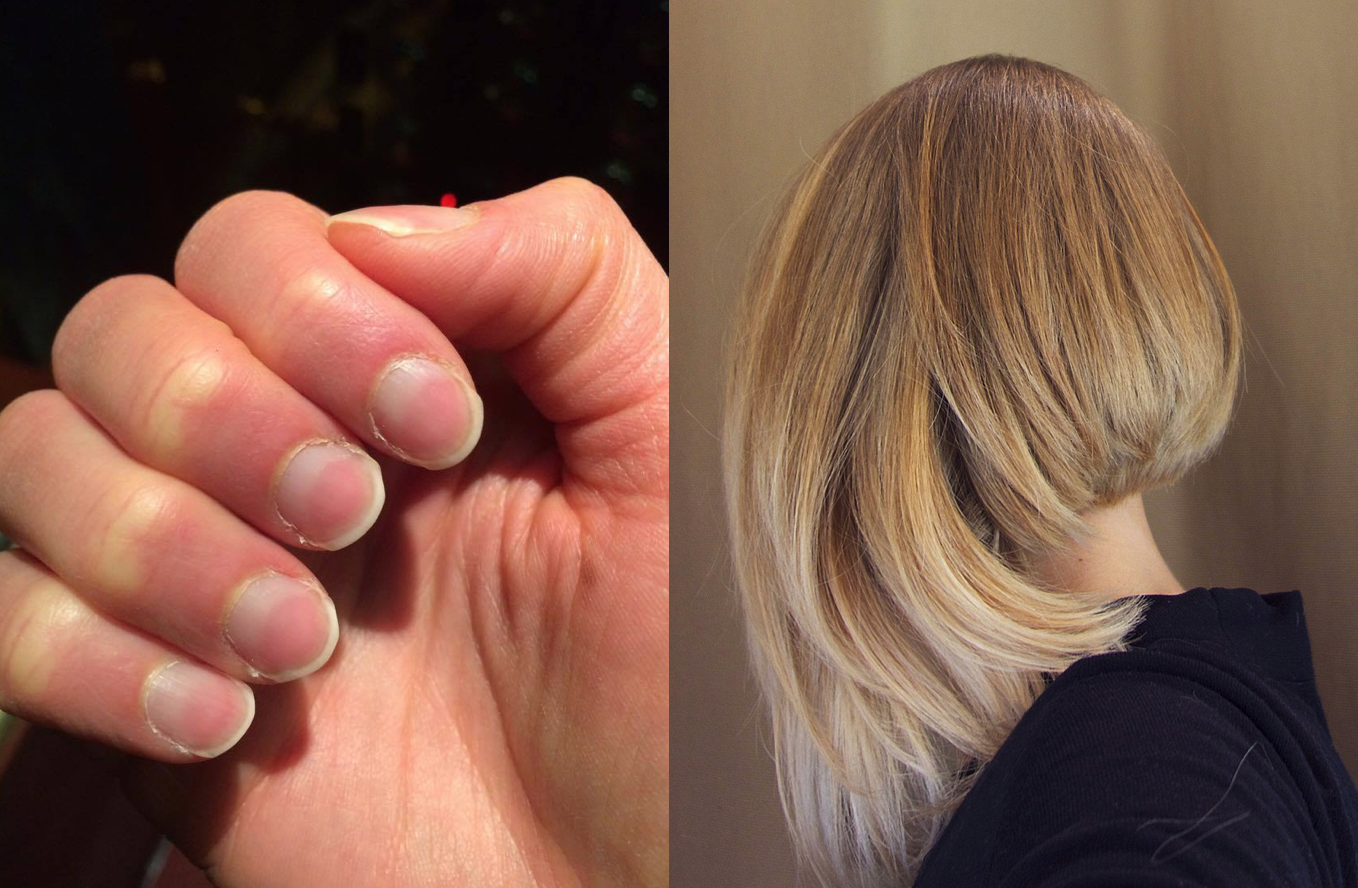
One of the most common beliefs about the human body is that hair and nails continue to grow after death. This idea has been repeated in movies, television shows, books, and casual conversations for many years, often evoking fear, curiosity, and fascination. The image of hair and nails mysteriously growing on a body after death is both eerie and compelling. But what does science actually say about this claim? Is there any truth to it, or is it simply another widely spread misconception?
The origin of this belief is difficult to trace. It likely comes from early observations of deceased bodies where the skin had begun to dry, shrink, and change appearance. After death, the human body undergoes a series of chemical and physical changes collectively known as decomposition. These changes affect skin tissues and can create the illusion that hair and nails are growing, even though all cellular processes have ceased.
When the body dries out, the skin retracts and tightens. This shrinkage exposes more of the hair shaft and fingernails, which may have been partially hidden beneath the surface. The effect is purely visual, making the hair and nails appear longer than they were in life. Observers without knowledge of decomposition may interpret this as actual growth, and over time, the observation became widely circulated and accepted as fact.
Environmental conditions also play a role. In dry, cool environments, decomposition is slower, and the body can remain preserved for longer periods. During this time, the nails and hair may seem more prominent or extended than when the person was alive. These observations contributed to the persistence of the myth because people tend to focus on what they can see and interpret it literally without understanding the underlying biology.
Scientifically, hair grows from hair follicles beneath the skin, and nails grow from the matrix at the base of the nail. These processes require living cells, metabolism, and nutrient supply from the bloodstream. Once a person dies, these processes stop immediately. There is no mechanism for new hair or nail tissue to form after death. Without living cells, new growth is impossible, and what appears to be growth is merely the result of skin retraction.
Despite this clear explanation, the myth continues to persist in popular culture. Its appeal lies in its shock value and in the natural human fascination with death. People may notice changes in appearance when viewing a body some time after death and interpret the exposed hair and nails as new growth. The story is reinforced in movies and television shows where dramatic representations of postmortem growth create a memorable visual impression.
The belief also touches on deeper cultural and psychological themes. Humans have long been fascinated by life and death, and the idea that some parts of the body continue to function after death challenges our understanding of mortality. In various cultures, myths and stories have been used to explain unusual postmortem observations and to express fears or beliefs about the afterlife. The notion of hair and nail growth fits neatly into this tradition of storytelling.
Forensic scientists, medical professionals, and pathologists consistently clarify that hair and nails do not continue to grow after death. They explain that the apparent lengthening is caused by skin dehydration and tissue shrinkage, which exposes more of the existing hair and nails. Decades of observation during autopsies support this understanding, and no credible evidence has ever demonstrated real postmortem growth.
Understanding the science behind this phenomenon helps dispel unnecessary fear and misinformation. The human body undergoes a variety of changes after death, including rigor mortis, decomposition, and drying of tissues. These changes are natural and predictable and can explain many of the observations that gave rise to myths about hair and nail growth. Educating the public about these processes demystifies death and encourages a more scientific perspective on human biology.
The persistence of this myth also illustrates how easily misconceptions can spread when people rely on observation without understanding underlying mechanisms. It demonstrates the importance of scientific literacy and critical thinking. People may witness something that seems inexplicable and draw conclusions that are not supported by evidence. Without an understanding of biology and anatomy, it is easy to accept visually compelling but scientifically inaccurate explanations.
In addition to providing clarity, this explanation highlights the remarkable complexity of the human body. Hair and nails are composed of keratin and grow through precisely regulated cellular processes. When these processes stop after death, it is a reminder of how dependent these functions are on life and the intricate systems that sustain the body. Understanding the biological basis of hair and nail growth during life reinforces why postmortem growth is impossible.
While the myth may be unsettling, it also serves as a teaching opportunity. Forensic science often encounters misunderstandings like this, which can be clarified through education. By explaining the difference between appearance and reality, students of biology, medicine, and forensic science learn to apply observation critically and seek evidence for claims. This approach not only debunks myths but also cultivates analytical thinking skills.
Ultimately, the claim that hair and nails continue to grow after death is false. It is a persistent science myth created by the misinterpretation of natural processes that occur during decomposition. The skin retracts, the body dehydrates, and hair and nails appear longer, but in reality, no new growth has occurred. Understanding this phenomenon allows people to separate fact from fiction, appreciate the complexity of the human body, and recognize the ways in which myths can emerge from simple observations.
Recognizing the science behind postmortem changes also encourages curiosity about how the body functions both during life and after death. It highlights the importance of relying on evidence rather than anecdotal observations and illustrates how human perception can be deceived by natural processes. The truth may not be as dramatic as the myth, but it is no less fascinating and reveals the remarkable biology that sustains life.