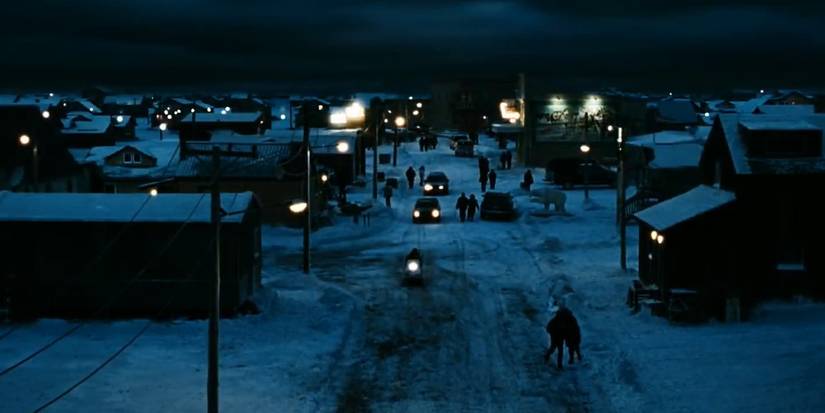
Barrow, Alaska, officially called Utqiaġvik, is the northernmost city in the United States, lying above the Arctic Circle. Each summer, it experiences one of nature’s most extraordinary phenomena: the Midnight Sun. For more than two months, the sun never sets, creating a period of continuous daylight that bathes the town in bright sunlight at all hours. This phenomenon is caused by the tilt of the Earth’s axis, which allows the sun to remain above the horizon during summer months. While the endless daylight is stunning and attracts tourists worldwide, it also presents unique challenges for residents who must adapt to living without the natural rhythms of night and day.
Impact on Sleep Patterns
The absence of darkness significantly disrupts sleep for many residents. Circadian rhythms, which regulate the body’s internal clock, rely on the day-night cycle to signal when to sleep and wake. Without natural night, people in Barrow often experience insomnia, fatigue, and difficulty maintaining focus. Families employ blackout curtains, sleep masks, and strict schedules to cope with the disorienting light. Children and older adults are especially susceptible to sleep disturbances, and local doctors report a surge in related complaints during the peak of the Midnight Sun. Even with mitigation strategies, living without night for weeks challenges human biology in profound ways.
Psychological and Emotional Effects
Extended daylight not only affects physical rest but also influences mood and emotional stability. Residents have reported feelings of restlessness, irritability, and heightened stress during the continuous daylight periods. Ordinary tasks can feel more exhausting, and the lack of temporal cues can lead to disorientation and anxiety. Mental health professionals in the area have observed that some individuals experience heightened emotional sensitivity and frustration during these periods. To cope, locals establish routines, create dimly lit indoor spaces, and schedule quiet periods to maintain mental equilibrium. Despite these efforts, the constant daylight continues to test emotional resilience.
Health Implications and Circadian Research
Scientific studies reveal that prolonged exposure to sunlight suppresses melatonin production, the hormone that governs sleep-wake cycles. Reduced melatonin contributes to insomnia, fatigue, and mood fluctuations. Research on populations living in polar regions indicates that long-term residents may develop adaptive behaviors to mitigate these effects. Such strategies include regimented daily routines, controlled light exposure, and community practices that support sleep and well-being. Barrow serves as an ideal case study for understanding human physiological and psychological adaptation to extreme environmental conditions.
Cultural and Social Adaptations
The people of Barrow have embraced the Midnight Sun as part of their cultural identity. Social events, festivals, and outdoor activities are scheduled to make the most of the continuous daylight, fostering community engagement and cultural expression. Residents often engage in outdoor recreation, including hiking, fishing, and exploring the Arctic landscape, taking advantage of the unending sunlight. At the same time, families and institutions emphasize structured routines to balance activity with rest. This careful blending of social activity, cultural celebration, and rest demonstrates the human capacity to thrive in extraordinary natural environments.
Effects on Children and Education
Children in Barrow face unique challenges during the Midnight Sun. Maintaining school schedules and healthy sleep patterns requires careful attention from parents and educators. Schools often adopt strategies such as consistent classroom routines and dimmed lighting to help students adapt. Sleep deprivation among children can affect concentration, learning, and behavior, making adaptation essential for educational success. Parents also employ strict bedtime routines and create darkened sleeping environments to counter the effects of unending daylight. These strategies highlight the importance of combining environmental awareness with practical solutions to support the well-being of younger residents.
Tourism and Global Fascination
The Midnight Sun attracts visitors from around the globe, eager to witness the surreal experience of the sun shining at midnight. Tourists often report feelings of excitement, wonder, and amazement as they experience continuous daylight firsthand. While visitors enjoy the novelty temporarily, locals must navigate the long-term challenges of life without night. Tourism also provides opportunities to educate outsiders about the unique environmental and cultural realities of living above the Arctic Circle. This global fascination contributes to the viral nature of Barrow’s story, blending human experience with natural spectacle.
Environmental and Ecological Considerations
Continuous daylight affects more than just humans; the Arctic environment also responds to prolonged sunlight. Wildlife behavior, plant growth, and ecological interactions are influenced by the extended daylight hours. Animals may alter feeding and mating patterns, while vegetation experiences accelerated growth cycles. Residents, who rely on local resources for hunting, fishing, and gathering, must adjust their activities to align with ecological shifts. Understanding these environmental dynamics is essential for sustainable living in a region shaped by extreme natural conditions.
Conclusion: Thriving Under Endless Daylight
Barrow, Alaska, offers a remarkable example of human adaptation to extraordinary natural phenomena. A week without night illustrates both the beauty and the challenges of continuous daylight. Residents experience disrupted sleep, emotional strain, and disorientation, yet they have developed cultural, social, and personal strategies to maintain balance and resilience. From structured routines and blackout techniques to community events and educational adjustments, the people of Barrow demonstrate that thriving in extreme environments is possible through awareness, planning, and adaptability. The story of Barrow highlights the interplay between human resilience and the awe-inspiring power of nature, providing a captivating example of life under the Midnight Sun.