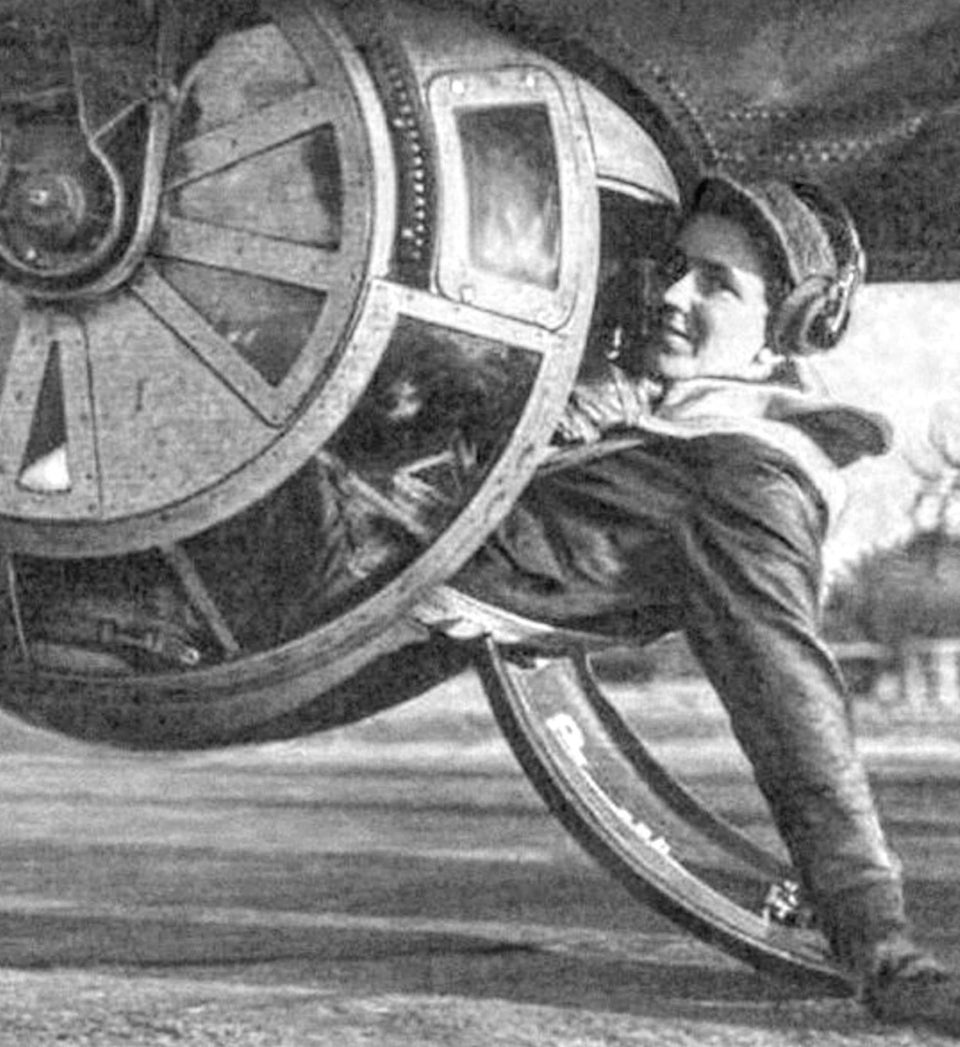
During World War II, airman Alan Magee survived an unimaginable fall from more than 20000 feet without a parachute, a feat that continues to astonish historians, aviation enthusiasts, and survival experts worldwide. His story is not only a tale of extraordinary luck but also of courage, resilience, and the remarkable capacity of the human body to endure extreme circumstances. Magee’s survival remains one of the most incredible real-life survival stories in military history, inspiring generations with his miraculous escape from death.
The Mission Over Nazi Occupied France
On January 3, 1943, Alan Magee, a 21-year-old ball turret gunner, was on a perilous bombing mission over Saint Nazaire in Nazi occupied France. He served aboard a B-17 Flying Fortress, part of a squadron tasked with attacking strategic targets vital to the German war effort. The skies were filled with danger: heavy anti-aircraft fire, known as flak, enemy fighter planes, and harsh winter conditions. Magee and his crew knew the mission was high risk, but their objective was crucial for the Allied campaign. Flying over the city, the B-17 came under intense flak fire, and explosions ripped through the plane. Magee was stationed in the ball turret beneath the fuselage, the most exposed and vulnerable position on the aircraft.
The Moment of Impact
In a terrifying instant, a German shell struck the aircraft, sending Magee hurtling out of the ball turret without a parachute. The fall was from approximately 20000 feet, a height from which survival is nearly impossible. As Magee plummeted through the freezing winter air, he spun uncontrollably, experiencing extreme wind force and almost certain death. Each second of the descent was a struggle for survival, with the ground approaching rapidly. The chances of living through such a fall were estimated to be virtually zero, yet fate intervened most miraculously.
The Miraculous Landing
Magee landed on the glass roof of the St Nazaire train station, a surface that partially absorbed the tremendous impact of his fall. The glass shattered beneath him, breaking his fall and likely saving his life. He suffered multiple injuries, including broken vertebrae, internal injuries, and deep lacerations from the shattered glass. Despite the severity of his condition, Magee survived the fall that would have killed most people instantly. The landing alone is considered one of the most incredible survivals in aviation history, demonstrating the extraordinary combination of luck and circumstance that can make life possible against all odds.
Immediate Rescue and Medical Care
After the fall, German civilians and soldiers found Magee and rushed him to a local hospital. He was in critical condition, but the medical team managed to stabilize him. Magee required months of intensive treatment and recovery, including surgery and rehabilitation for his broken bones and internal injuries. His survival amazed the German captors, his fellow airmen, and later military historians. Though he became a prisoner of war, Magee’s miraculous fall became the defining moment of his life and career, showing the extraordinary limits of human endurance in extreme situations.
Life After the Fall
After the war, Alan Magee survived his captivity and returned home. He went on to live a full life, eventually sharing his story in interviews and historical accounts. Magee’s survival became widely celebrated, not just as an incredible escape from death but as a symbol of courage, hope, and human resilience. His experience is now cited in survival studies, military history lessons, and aviation research, inspiring countless people around the world to appreciate the strength and resilience of the human body and spirit under extreme conditions.
Lessons from Alan Magee’s Survival
Alan Magee’s story teaches invaluable lessons about human endurance, luck, and the will to survive. His ability to survive a fall from 20000 feet demonstrates that resilience and hope can sometimes triumph over impossible odds. His experience emphasizes the importance of remaining calm under pressure, the role of chance in survival, and the incredible capabilities of the human body to withstand trauma when circumstances align. Magee’s tale is a reminder that extraordinary survival can happen in the most extreme situations and that the human spirit is capable of miracles.
Why the World Still Talks About Him
Alan Magee’s survival from a 20000-foot fall without a parachute remains one of the most remarkable real-life survival stories in history. It continues to inspire awe, not only among military historians and aviation experts but also among ordinary people who marvel at the limits of human resilience. The Airman Who Walked Away From a 20000 Foot Fall is a timeless story of courage, extraordinary luck, and the sheer determination to live. Magee’s story will always be remembered as one of the most astonishing survival accounts ever documented.